Behavior Intervention Project
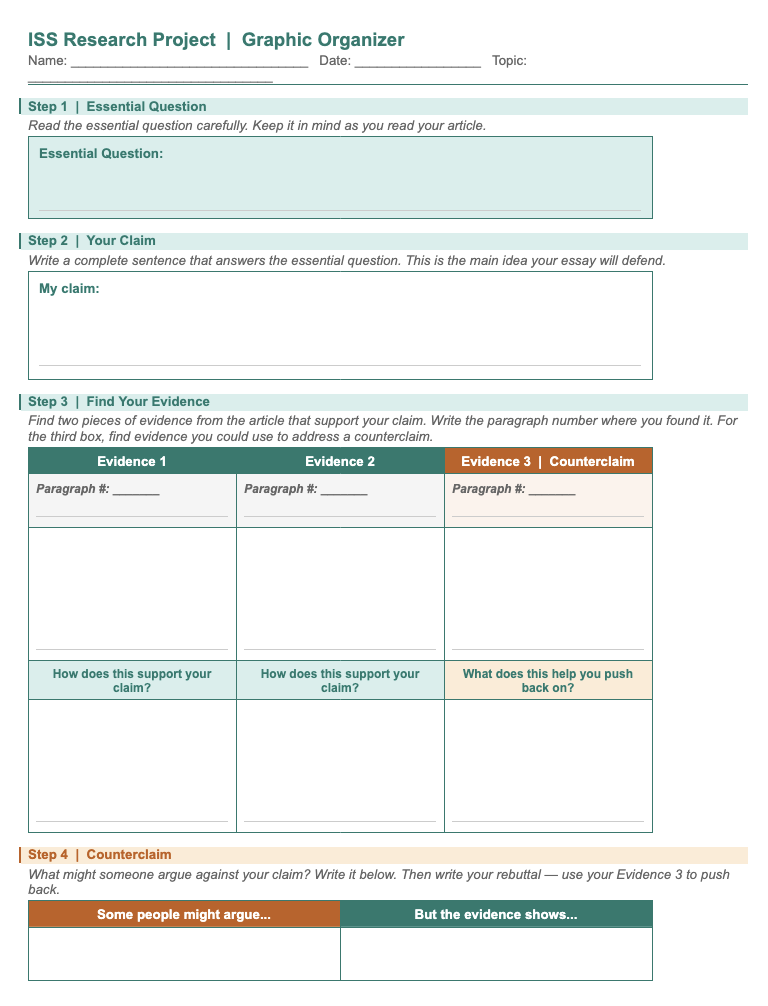
Click on the image above to preview a mock-up of materials
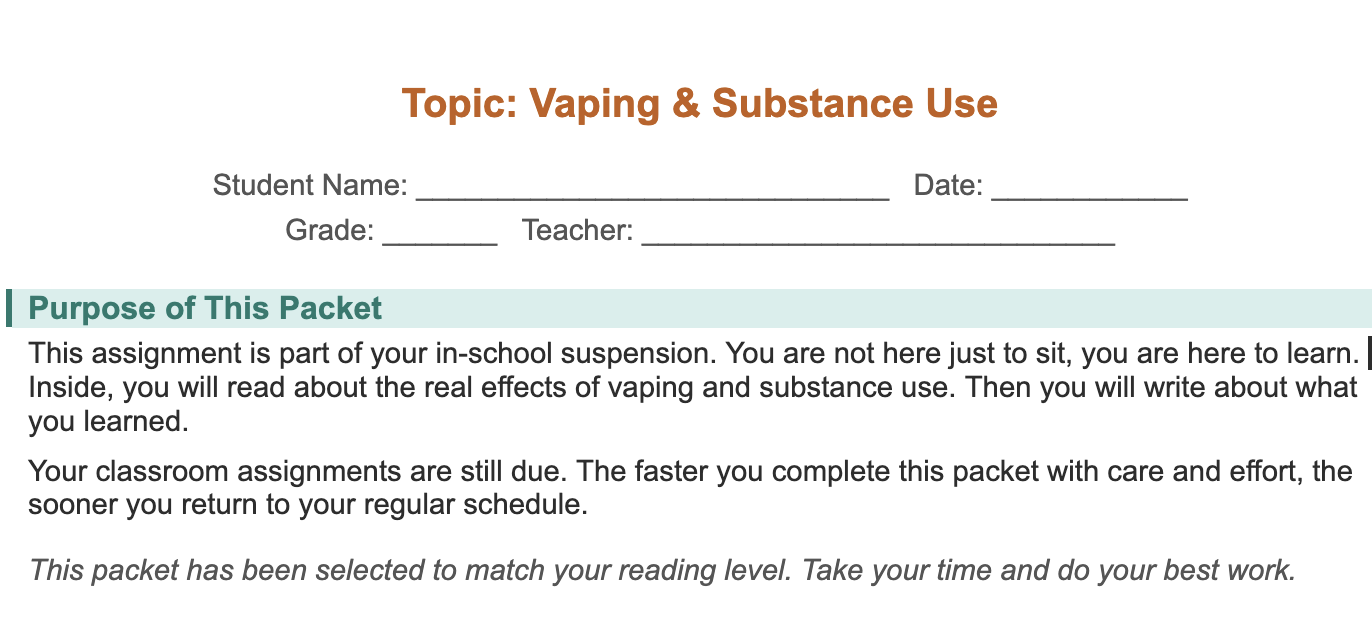
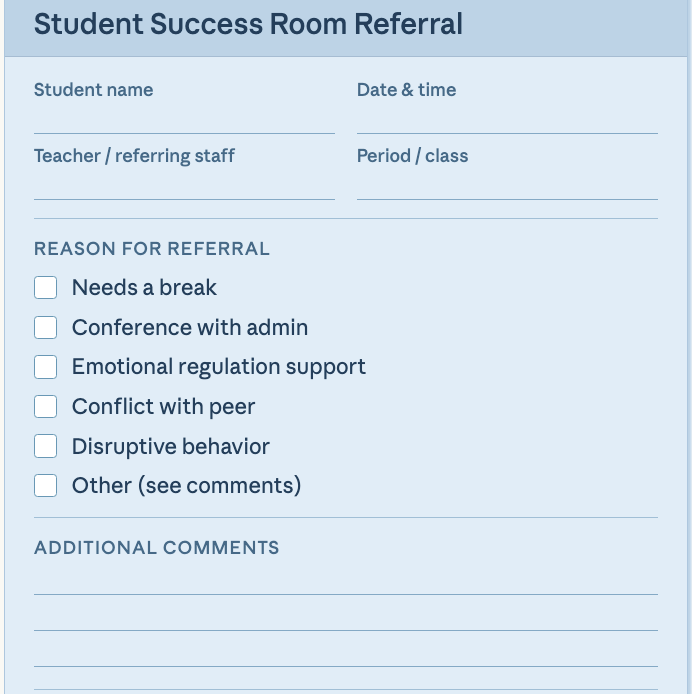
This project is a behavior intervention system designed to replace punitive, instructionally empty consequences with leveled reading and structured writing sequences matched to the behavior at hand. It grew directly out of my own classroom practice, where I discovered that asking students to write about their behavior was quietly improving their writing confidence alongside their self-reflection. Currently in development, it is designed to be implemented at the school or district level as a sustainable alternative to traditional In-School Suspension.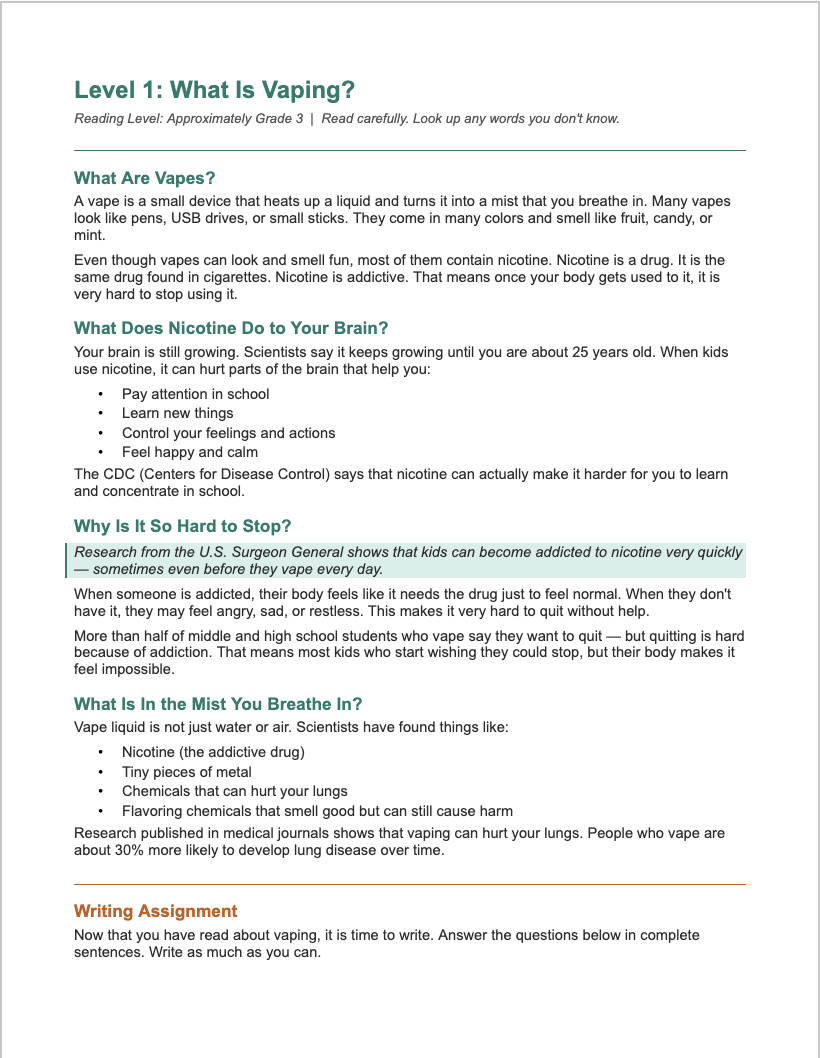
Growth Through Challenge
Some problems have to be named before they can be solved
The hardest part of this project isn't the design. It's the patience. Each component requires research-based content available at four reading levels (Grade level reading passages of 3, 5, 7, and 9), scaffolded carefully enough to allow full independence or require only light guidance. For my “prototype”, I used AI to craft scholarly pieces, with a clear bibliography at the end of credible sources. This plan takes time I cannot compress. There is also a specific courage required in naming a problem and actively seek solutions to fix it. Middle school discipline systems are failing students in visible ways. Saying that out loud and backing it up with something concrete is critical.
Leadership Strengths // Modeling
The best interventions do multiple things at once
A consistent theme across my practicum work has been to find the operational failure underneath a problem and build something that makes the right thing easier to do. This project does that at the level of a school's entire approach to consequence. My classroom experience this year gave me the evidence to support it. I didn't design writing as a consequence from the result of research. I used it because I needed students to slow down and consider their actions, and writing created that space. I expected the behavior improvement, but I didn’t expect to see such growth in writing. Discovering the intervention was doing two things at once expanded my vision for what it could become at scale. What I observed during my time in middle school buildings confirmed the rest. Schools keep reaching for consequences that don't work. That is a failure of infrastructure, not individual will. That observation is what I am building this for.
Reflective Revisit // Next Steps
Building a system and leading its adoption are different skills
During my practicum I shadowed a middle school principal for a full day. At one point he reflected that he had inherited the school's discipline structure and, three years in, still didn't find it effective. He said it the way someone says something they have accepted rather than solved. That moment clarified the gap this project is trying to fill. If I could revisit that day, I would have asked him what he believed students actually needed in that moment and what he would build if the constraints weren't there. Those are the conversations that move things forward.
Looking forward, the growth I hope to achieve is completion and implementation. Building a system and leading its adoption are different skills. I also want to add a facilitation component, a brief check-in protocol to help capture the purpose of this assignment. A caring adult walking alongside that structure is what changes behavior long-term. That piece requires as much care and precision as the materials themselves.
TSPC Standards Alignment
Each project in this portfolio is intentionally connected to Oregon's Principal License Standards, demonstrating how my practicum experiences built real leadership readiness across multiple domains.
By clicking the link below, you’ll be directed to the government website for a full description of each standard of practice.
-
Students in trouble are still students worth teaching. Every structural choice in this system reflects that belief. An administrator who holds that as a non-negotiable shapes a building where high expectations aren't a good idea, they are a practice.
-
The students most likely to land in ISS are also the students most likely to have unmet literacy needs. Differentiated reading levels ensure no student is handed something they cannot access. That is equity built into the infrastructure.
-
Designing scaffolded, research-grounded materials for a disciplinary context is a direct argument that instruction belongs everywhere, including in the consequence.
-
Once built, the system runs itself. A staff member assigns a packet, sets an expectation, and trusts the structure to carry the work. Building systems that reduce burden on teachers while increasing consistency for students is exactly the kind of operational thinking I am working to bring to a leadership role.