School + Family Communications
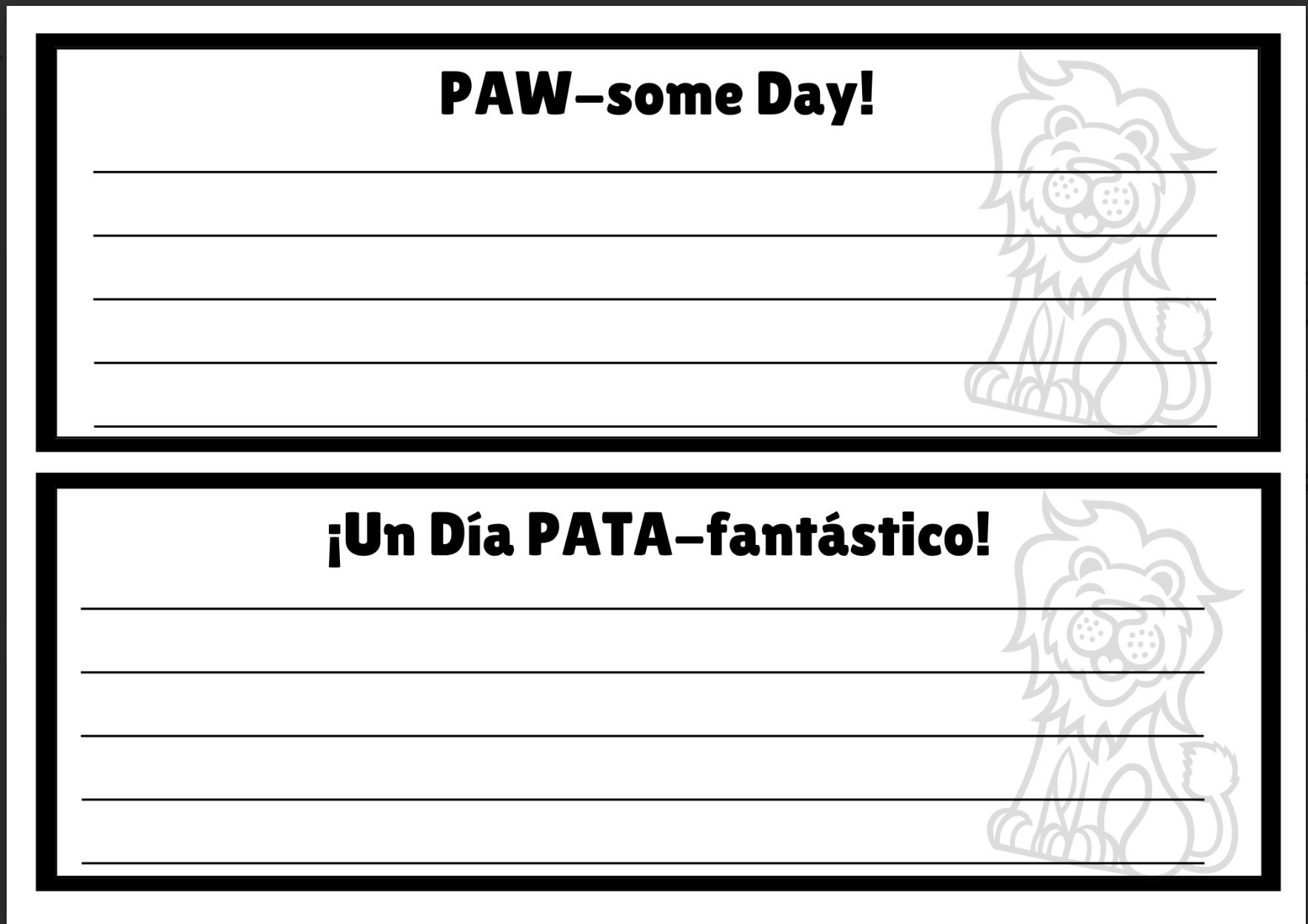
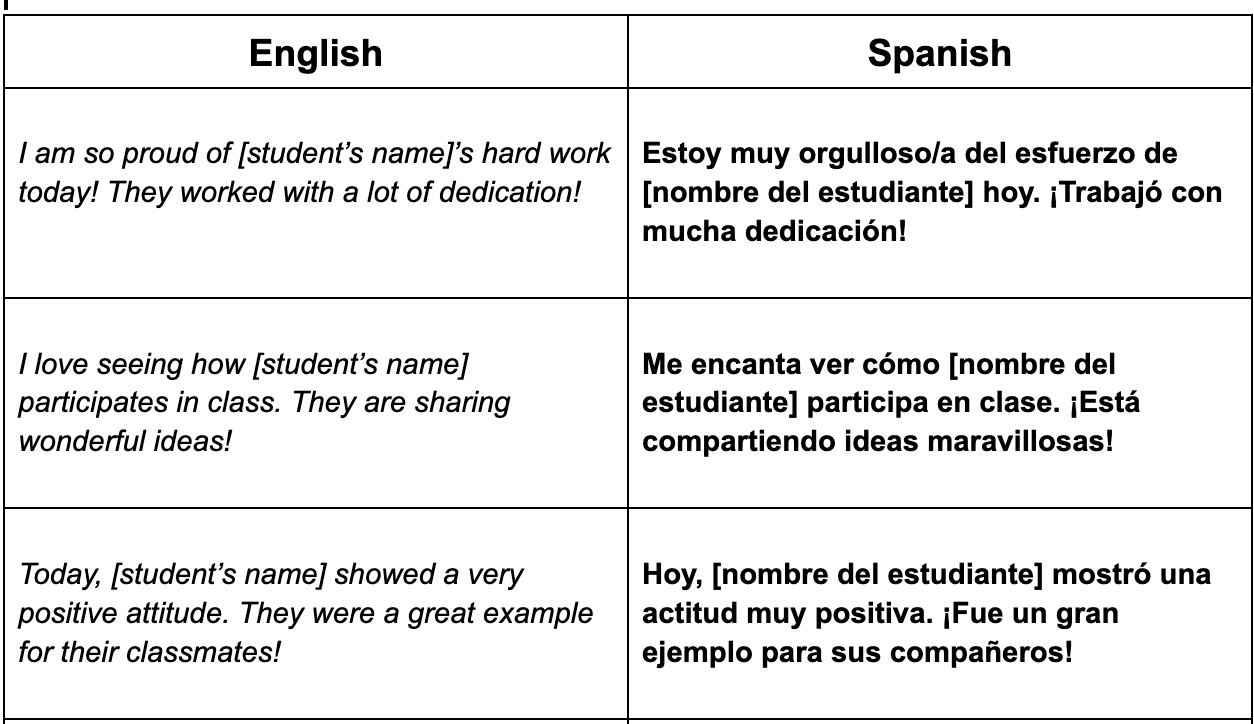
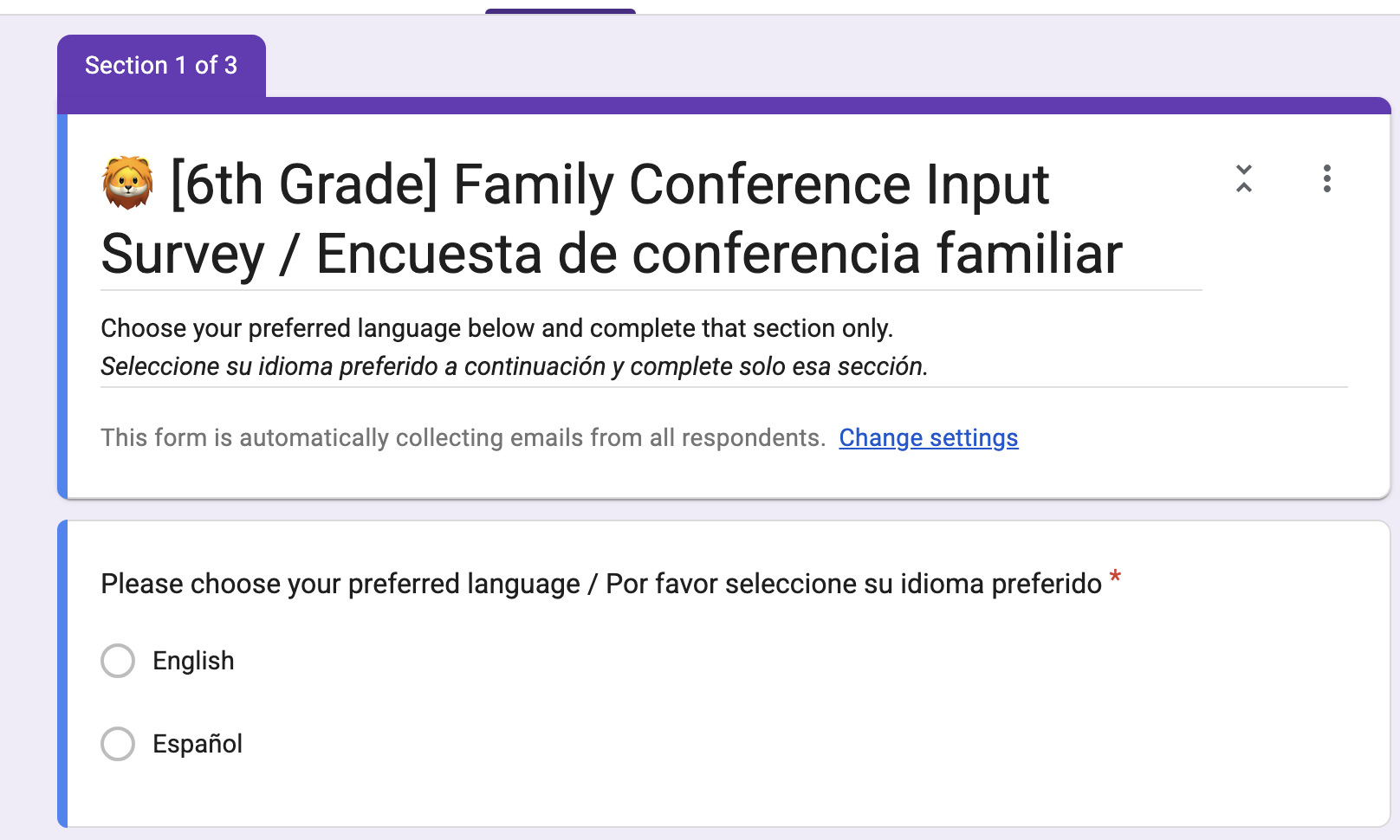
This project is a collection of four connected pieces designed to make family communication more consistent, accessible, and genuinely two-way. It includes branded bilingual reminder graphics, Paws-itive Notes with a pre-translated Spanish phrase bank, a bilingual family conference input form, and a personal commitment to PTO attendance and volunteer recruitment.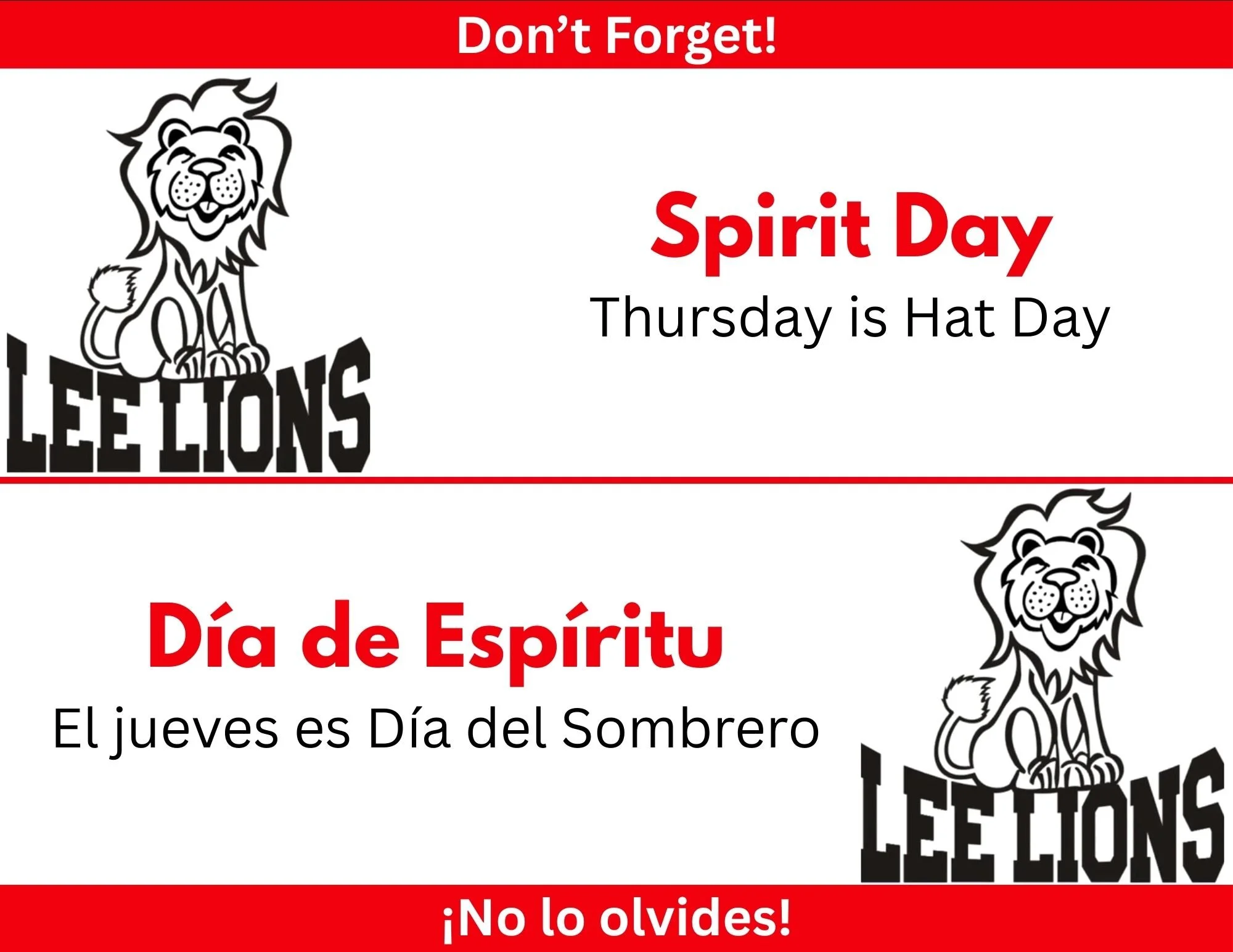
Growth Through Challenge
Small barriers add up to a family feeling like an outsider
The challenge in this work wasn't any single piece. It was recognizing how many small barriers add up to a family feeling like an outsider to their child's education. Teachers who want to send positive notes home but don't know how to communicate with Spanish-speaking families. Reminders going home in seven different fonts with no consistent look or tone. Conference structures where teachers do most of the talking and families leave without ever being asked what they think. None of these are malicious. They are habits, and habits are hard to interrupt without something concrete to replace them with. Every piece in this project was designed to replace a habit with a better one, something simple enough to actually use and accessible enough to reach every family.
The Spanish components were intentional from the start. I hear the barriers teachers name when it comes to reaching multilingual families, and I wanted to remove as many of those barriers as possible before they became reasons not to try.
Leadership Strengths // Modeling
Presence is its own form of leadership
What this project confirmed is that I lead by building systems and routines. When I see a gap, my instinct is to create something that fills it, something other people can pick up and use without starting from scratch. The branded reminders came from my principal wanting more consistency in how information went home. The Paws-itive Notes came from wanting to make positive outreach the path of least resistance. The conference form came from noticing that we ask families to show up without ever asking them what they want to say. Each piece was a response to something real.
The PTO piece is different because it required showing up personally rather than building something. Committing to those meetings, recruiting other parents to join, and building relationships with parents outside of my classroom taught me that presence is its own form of leadership. You can't build family trust from behind a desk.
Reflective Revisit // Next Steps
Families are not audiences, they’re partners
If I could do one thing differently, it would be to involve families in the design of some of these tools rather than building them and delivering them. The conference input form gets closer to that instinct, but even that was something I made and handed over. A stronger version of this work would have included a conversation with families first, asking what information they wished they received, what they wished schools would ask them, and what gets in the way of them feeling like partners. That feedback would have made every piece sharper.
Looking forward, I want to see the conference input form become a building-wide practice rather than something individual teachers can opt into. Family voice before conferences should not be optional. It should be the structure. That is the kind of systems-level change I want to be in a position to lead.
TSPC Standards Alignment
Each project in this portfolio is intentionally connected to Oregon's Principal License Standards, demonstrating how my practicum experiences built real leadership readiness across multiple domains.
By clicking the link below, you’ll be directed to the government website for a full description of each standard of practice.
-
Consistent communication is how a school's values become visible to families. When every reminder looks the same, reads in two languages, and arrives reliably, it sends a message before anyone reads a word. This building cares about you enough to be clear, consistent, and accessible.
-
Families who don't speak English as their first language should not have to work harder to understand what is happening in their child's school. The Spanish components in this project were not an add-on. They were the point. Removing language as a barrier to belonging is solving an equity problem.
-
Sending information home is not the same as engaging families. The conference input form, the PTO commitment, and the volunteer recruitment were all attempts to close that gap. Families are not audiences. They are partners, and building that kind of relationship takes more than a well-designed flyer, although that’s a good start.
-
Teachers are more likely to reach out to families consistently when the tools to do so are already built and easy to use. Creating those tools is a form of support.