Instructional Coaching
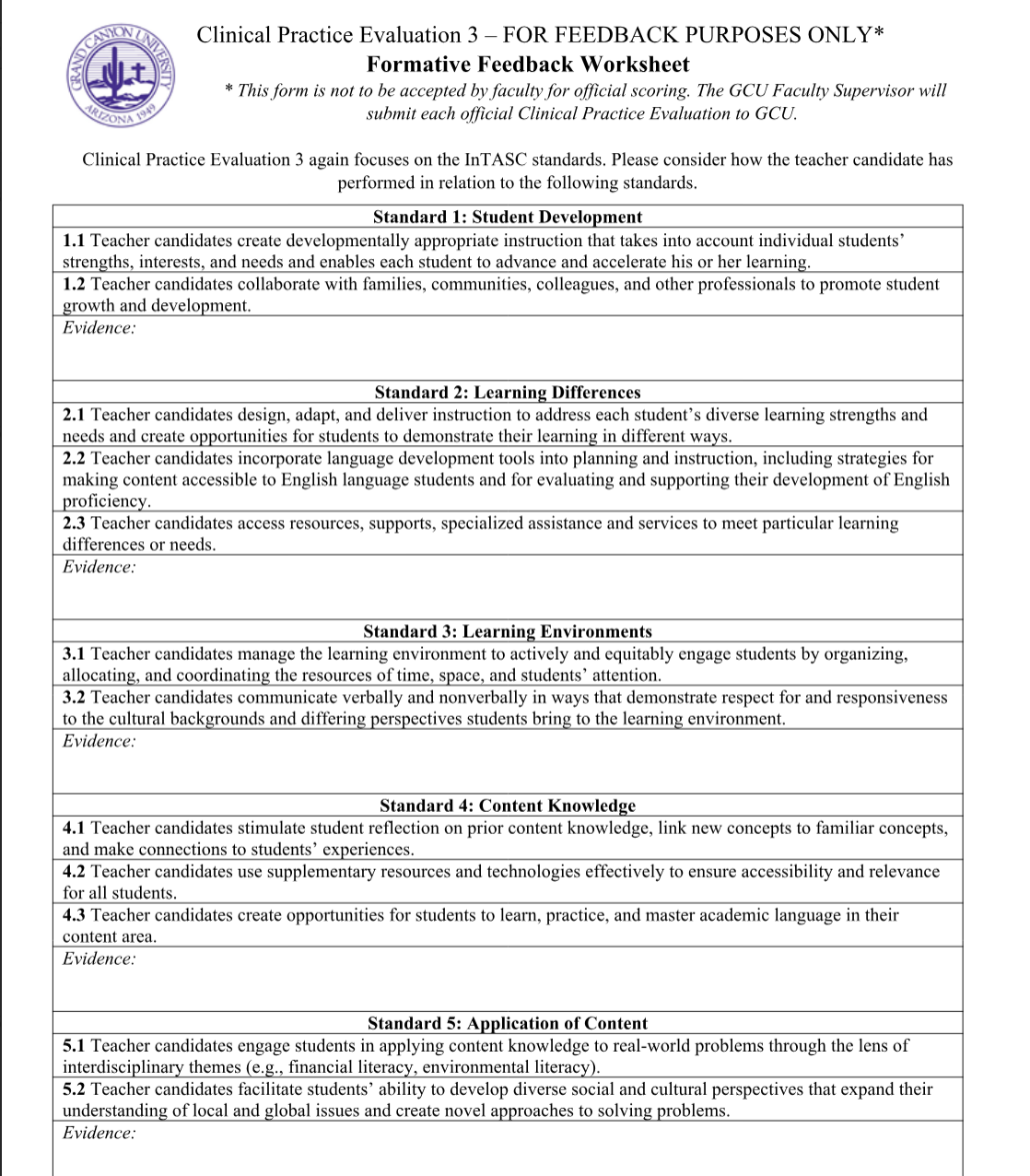
One of the most significant leadership experiences during this practicum was serving as a cooperating teacher and instructional coach during a full-time student teaching placement in my sixth grade classroom. What began as basic mentoring became something deeper quickly. The classroom presented significant behavior challenges, and sustaining a productive learning environment required more than encouragement. It required sustained, honest instructional leadership. I conducted frequent observations, documented patterns, and provided detailed feedback tied directly to specific moments in instruction. Over time the work shifted from reactive problem solving to intentional instructional design. This experience gave me a sustained opportunity to practice the kind of leadership that changes what happens in a classroom.
Growth Through Challenge
Giving direct feedback requires a balance of courage and trust
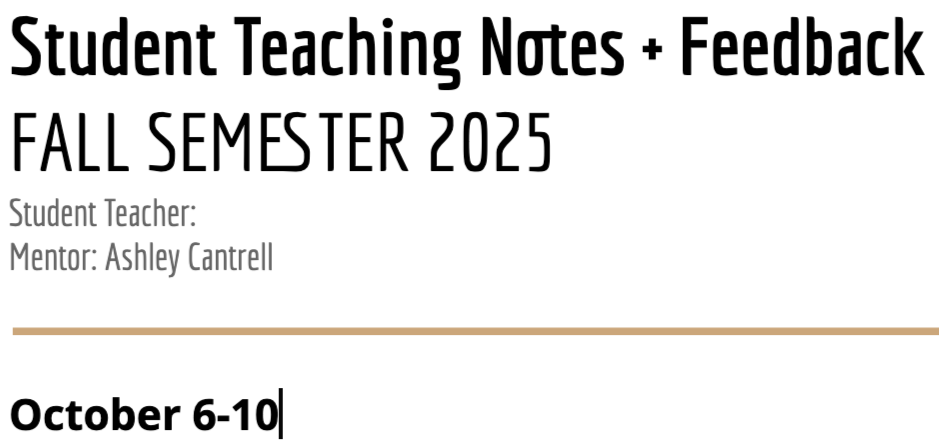
The greatest challenge was balancing support with accountability. My student teacher brought strong relational skills and genuine care for students, but maintaining consistent expectations when things got off track was a persistent struggle. Side conversations continued while she was teaching. Directions stretched too long. Students learned quickly that expectations could shift depending on the moment. Addressing this required honest coaching conversations, the kind that move beyond encouragement and name specific patterns directly. Clear is kind and being vague when something isn't working doesn't fix it. I had to learn how to name things honestly without creating defensiveness or discouragement. That precision is its own leadership skill.
Leadership Strengths // Modeling
Instructional leadership requires clarity and compassion
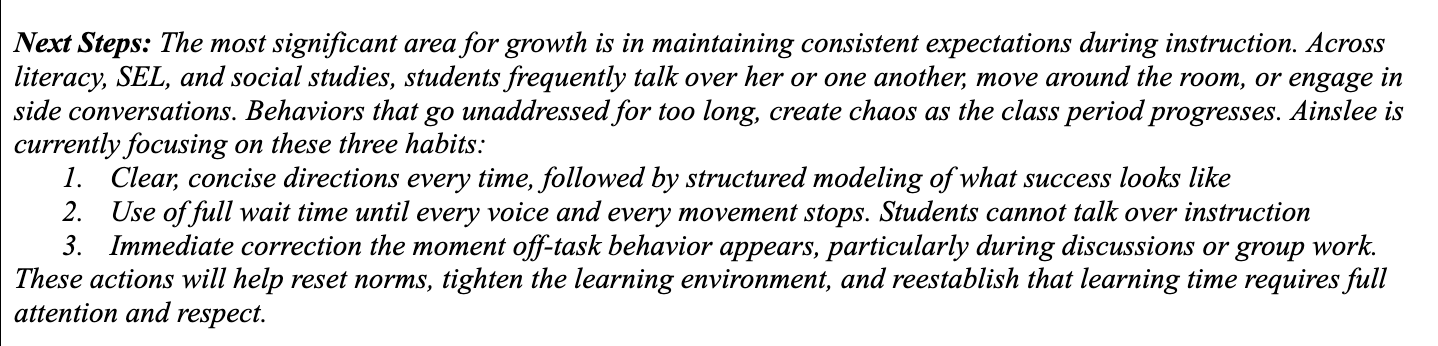
One strength I brought to this experience was modeling instructional strategies rather than describing them abstractly. When engagement dropped, I stepped in to demonstrate what securing attention looks like so she could see it rather than just hear about it. Building a consistent reflection routine into our work together made the coaching sustainable. Over time she began identifying problems on her own, coming to our conversations already thinking about why something hadn't worked. That shift, from receiving feedback to generating it, is what growth looks like. Watching a colleague navigate similar instructional moments from a different vantage point throughout the year added another layer to my own understanding of what was happening in the room.
Reflective Revisit // Next Steps
Coaching conversations should be normal, expected, and focused on what students need
Looking back, I see how much this experience strengthened my identity as an instructional leader. Coaching another educator required me to slow down my own thinking and articulate practices that had become instinctive. That process deepened my own understanding in ways I didn't anticipate going in. If I were to approach this again, I would build more structured coaching cycles earlier in the placement, a formal rhythm of observation, goal setting, and follow up that made growth visible and trackable over time.
What I am most proud of goes beyond the instructional work. I came into this program with a deep concern for new teacher retention. The statistics on educators leaving the profession in their first five years are alarming, and I have watched several talented people find new paths outside of education. What sometimes gets lost in that conversation is how much the culture a new teacher is absorbed into shapes whether they stay. I wanted to be intentional about what she absorbed from me. Every kid deserves a teacher who believes they are worth the second, third, and millionth chance, and who holds high expectations because of that belief, not in spite of it. Those were the conversations I wanted her to carry forward. Not just how to teach well, but why it matters enough to keep showing up.
Moving forward, I want to build school cultures where coaching is normal and expected, where new teachers are supported by systems and structures that identify struggle before burnout becomes the only option, and where the belief that kids deserve our very best is not just assumed but actively protected.
TSPC Standards Alignment
Each project in this portfolio is intentionally connected to Oregon's Principal License Standards, demonstrating how my practicum experiences built real leadership readiness across multiple domains.
By clicking the link below, you’ll be directed to the government website for a full description of each standard of practice.
-
Instructional coaching was ultimately a conversation about what students deserve in a classroom. Every discussion about pacing, engagement, and clarity of instruction came back to that. A strong school culture is built through consistent expectations for teaching and learning, and those expectations have to be named, modeled, and returned to over time.
-
Providing honest feedback required maintaining integrity while preserving trust. I had to address instructional concerns directly while honoring the vulnerability involved in learning to teach. That balance of holding someone accountable while genuinely caring about their growth, is one of the most important things a leader does.
-
This experience centered around analyzing classroom instruction and supporting teacher growth through observation, modeling, reflection, and evaluation. Instructional leadership requires deep knowledge of teaching practices and the ability to guide others in developing those skills. This placement gave me sustained, real-time practice doing exactly that.
-
Teachers improve when they receive clear feedback, structured reflection opportunities, and leaders who are invested in their growth. This experience strengthened my commitment to creating conditions where educators feel supported while continuing to grow. That is how we keep good people in the profession.